Last updated on: February 23, 2026
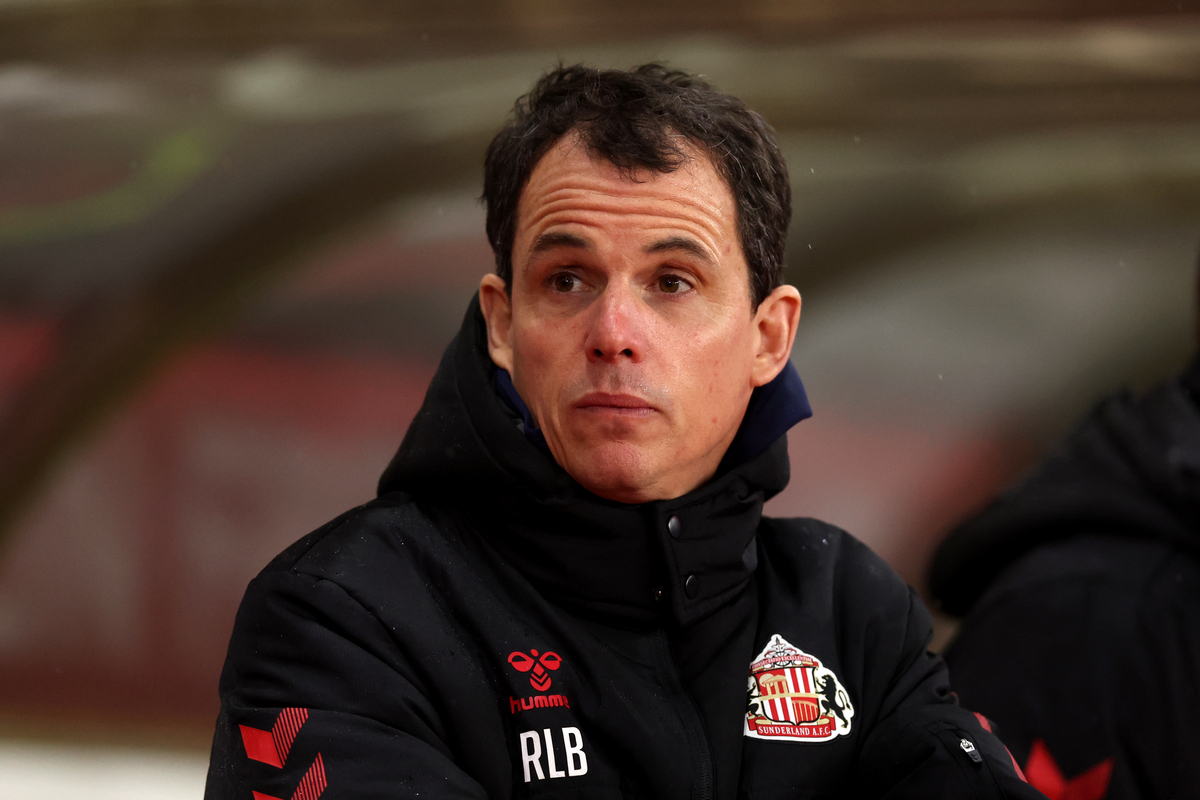
Sunderland AFC entered the 2025/26 Premier League season as an enigma. Many fans engage with the club’s rise in different ways — even through off-pitch entertainment platforms like High roller casino where games such as blackjack are popular among football supporters. They currently sit in 11th place after beating the odds that usually haunt newly promoted teams. While many expected them to fight against relegation, Régis Le Bris made a few smart tweaks. These changes turned the Black Cats from Championship play-off winners into a tough top-flight side.
5 Invisible Shifts That Have Transformed Sunderland AFC in the 2025/26 Season:
1. The Midfield Metamorphosis
The biggest change is in the middle of the pitch. Bringing in veteran Granit Xhaka gave the team a sense of calm they didn’t have before. His experience lets young players like Chris Rigg and Dan Neil get forward more often. This has moved the team away from a rushed style toward a more controlled, passing game.
2. Strategic Defensive Reinforcements
Signing Nordi Mukiele and Omar Alderete gave the defence the muscle it needed. Now, Sunderland can keep a higher line against the league’s best teams. In the past, the back four dropped deep when they felt the heat. This new group stays aggressive and shuts down space. This approach is exactly what helped them get a 0-0 draw against Manchester City in January 2026.
3. Tactical Flexibility and Shape

Le Bris has ditched the rigid 4-2-3-1 for a more flexible setup. It often looks like a 3-4-2-1 when they build from the back. This move crowds the wings and lets full-backs like Trai Hume help create chances instead of just staying back to defend.
4. Directness in the Final Third
Brian Brobbey’s clinical finishing has changed how the team moves forward. They finally have a target man who can hold his own against physical Premier League defenders. Sunderland use Brobbey’s strength to play through high presses. Fans saw this clearly in their solid 3-0 win over Burnley earlier this February.
5. Management Restructuring
Off the field, Sporting Director Kristjaan Speakman left in February 2026. His exit ended the club’s long rebuild era. Florent Ghisolfi now runs the football side of things. This points toward a European management style that relies heavily on scouting data from around the world.