Football’s closing stages are uniquely cruel. A match may start as a well-structured, tightly knit story for the first 80 minutes, only to unravel into existential drama in the last ten. The last leg is extended, not because the clock is ticking slowly, but because the stakes suddenly seem much higher. Whether it is the issue of survival, trophies, or mere pride, the last minutes pack history, hope, and fear into each and every touch.
In most instances, this is part of the poetry that makes the game. However, some matches make this feeling almost unbearable. One such match is the Manchester Derby. This has the weight of local pride, national expectation, as well as a history that spans several decades. This match disrupts the flow of time. In the moments leading to a tense finish, the last ten minutes may seem like an eternity.
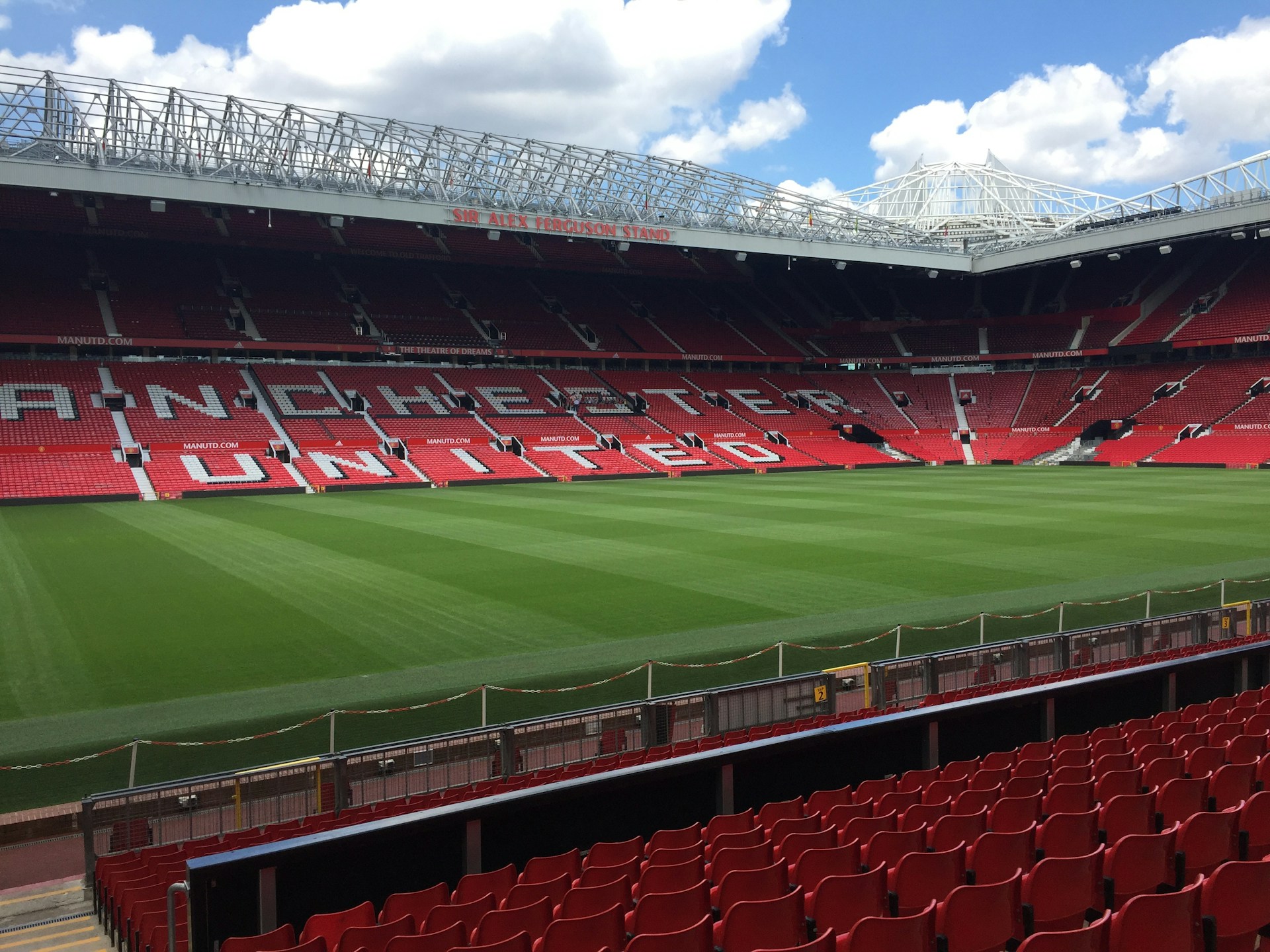
On the 17th of January that sensation was taken to its limits at Old Trafford. In Michael Carrick’s comeback as a Manchester United leader, United put up a display of tactical solidarity and passionate commitment to register a 2-0 win over their local rivals Manchester City. Second-half goals by Bryan Mbeumo and Patrick Dorgu were more than sufficient to thrill United fans as well as bring Manchester City’s league run to a halt in a match which showed that in football, nothing is secure until it is securely secure.
This derby was the very essence of why the last ten minutes of the match can sometimes feel as if they take so very long. With City pressing for a way back into the match, every ball that was hacked clear, every midfield battle, and every long ball into the box was given an inflated importance. It is a world in which the build-up to a football match, statistics, analysis, and football odds all attempt to numerically quantify the result before the first ball has been kicked, but football has the right to defy all that by the only logic that matters: competition. Even when one side looks in control, the game itself often prefers to keep its possibilities open.
Why the Final Moments Carry So Much Weight
The closing stages of a football match are where theory meets reality. Coaches risk substitutions to add fresh impetus, players chase second winds they may not quite possess, and supporters begin to oscillate between optimism and dread with each tick of the clock. Tactically and psychologically, teams shift into defensive shells or desperate presses, seeking either to preserve advantage or to snatch salvation.
This duality means the final ten minutes become a battleground of contrasting impulses. Possession becomes precious, risk becomes visible, and every clearance or misplaced pass feels like a potential turning point. In the case of the United-City clash, United’s lead seemed fragile well into stoppage time, even as their defenders repelled wave after wave of City pressure. What could have been a routine closing out of play became, in the minds of many fans, the longest ten minutes of their season.
Derbies Don’t Follow the Script
Derby matches amplify everything about football that defies neat categorisation. Form goes out the window. Tables matter less than emotion. Familiar patterns dissolve in the face of rivalry’s unpredictability. That is why derbies often produce results that confound pre-match expectations.
The January derby was no exception. United’s tactical setup under Carrick, measured yet assertive, gave them the platform to disrupt City’s usually fluid rhythms. Mbeumo’s 65th-minute opener came as United capitalised on a rapid transition, and Dorgu’s strike eleven minutes later doubled the advantage, catching City’s defence scrambling. United’s fans were left gripping their seats long after the second goal precisely because football rarely bows to prediction.
Football Is a Game of Moments, Not Guarantees
In the modern era, football analysis has become increasingly sophisticated. Expected goals, possession maps, pressure metrics, and detailed squad analytics all attempt to distil the game into understandable patterns. Meanwhile, the growth of football gambling has further normalised the idea that outcomes can be ranked, capped and anticipated with something approaching precision. Yet football’s essence remains defiant of certainty.
Numbers and odds can tell you what is probable. They can frame narratives and inform expectations. But they cannot account for the indeterminate will of players, the emotional currents in a stadium, or the split-second inspiration or hesitation that alters a game’s course. The derby win for United was not just a result. It was a rebuke to the idea that even finely balanced matches can be foreseen with confidence. It reminded everyone watching that football’s rhythm is dictated not by models but by human endeavour on the pitch.
The Endgame That Echoes Long After the Whistle
Because the last ten minutes of play are so drastically different than every other; they are also the last chance for teams to score before time runs out and/or for officials to make calls that could change West Ham’s season. Teams and supporters feel the pressure of these last ten minutes more than any other time in the match. They create a stronger bond between fans and players than any other part of football. Football is about more than just athletics; it is about psychology, emotions, and game changing incidents that affect everyone.
The Manchester derby played on January 17 was a reminder of all of the above. To football fans everywhere, that moment in time at Old Trafford represented a unique atmosphere where time did not seem to end because it had so much significance. The last ten minutes of the game between Manchester United and Manchester City, were memorable moments in a very memorable game. They further remind us that until the referee blows the final whistle, no team should assume they have won. The last ten minutes of a derby will always feel much longer than they actually are.