
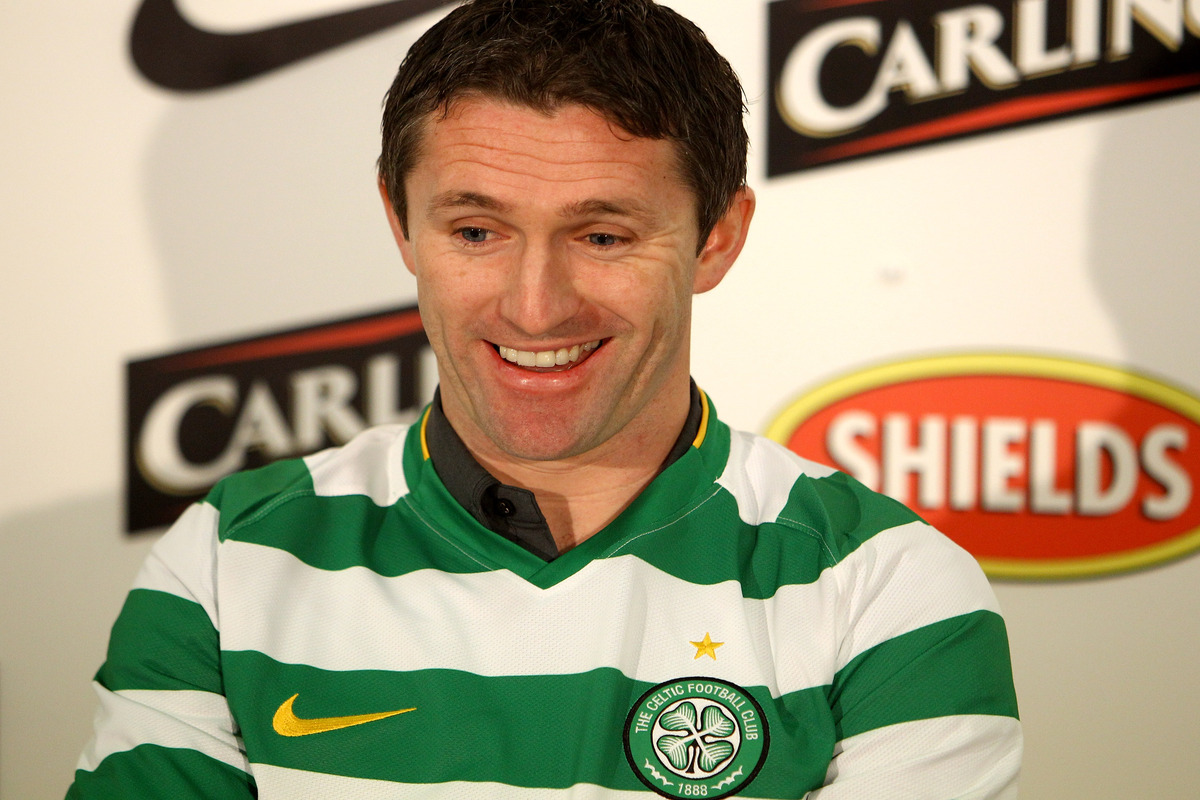
Celtic have identified Robbie Keane as their primary candidate to take permanent charge at Parkhead this summer, with The Guardian’s Ewan Murray breaking the story on 12th March 2026. The 45-year-old Republic of Ireland legend sits at the top of the club’s shortlist as decision-makers in Glasgow begin plotting a deep overhaul of the football setup ahead of the 2026-27 campaign.
Robbie Keane Emerges As Celtic’s Top Target For Summer Managerial Appointment
Keane’s case for the job has grown considerably over the past two years. He steered Maccabi Tel Aviv to the Israeli title during his only full season there, then crossed to Budapest and guided Ferencvaros to the Hungarian championship last season. Currently, the club sit joint top of their domestic league and remain active in the Europa League round of 16, showing Keane can get results when the stakes are real.
Celtic‘s powerbrokers believe he could be receptive to a move to Glasgow, a city he knows from a memorable 2010 loan spell where he struck 16 goals in just 19 appearances. No formal approach materialises until the Scottish Premiership season concludes, yet the Irishman stands firmly ahead of other linked names, including Wales boss Craig Bellamy, Motherwell’s Jens Berthel Askou, and Portugal manager Roberto Martinez.
This interest comes after a genuinely unsettled period at Celtic Park. Martin O’Neill, now 74, returned for a second interim stint after the catastrophic eight-game tenure of Wilfried Nancy that followed Brendan Rodgers’ acrimonious departure. O’Neill and assistant Shaun Maloney steadied the ship admirably, yet Celtic trail Scottish Premiership leaders Hearts by five points as of this week, with the board expecting O’Neill to step away at season’s end.
Is Robbie Keane The Transformative Figure Celtic Actually Need, Or Simply A Comfortable Choice?
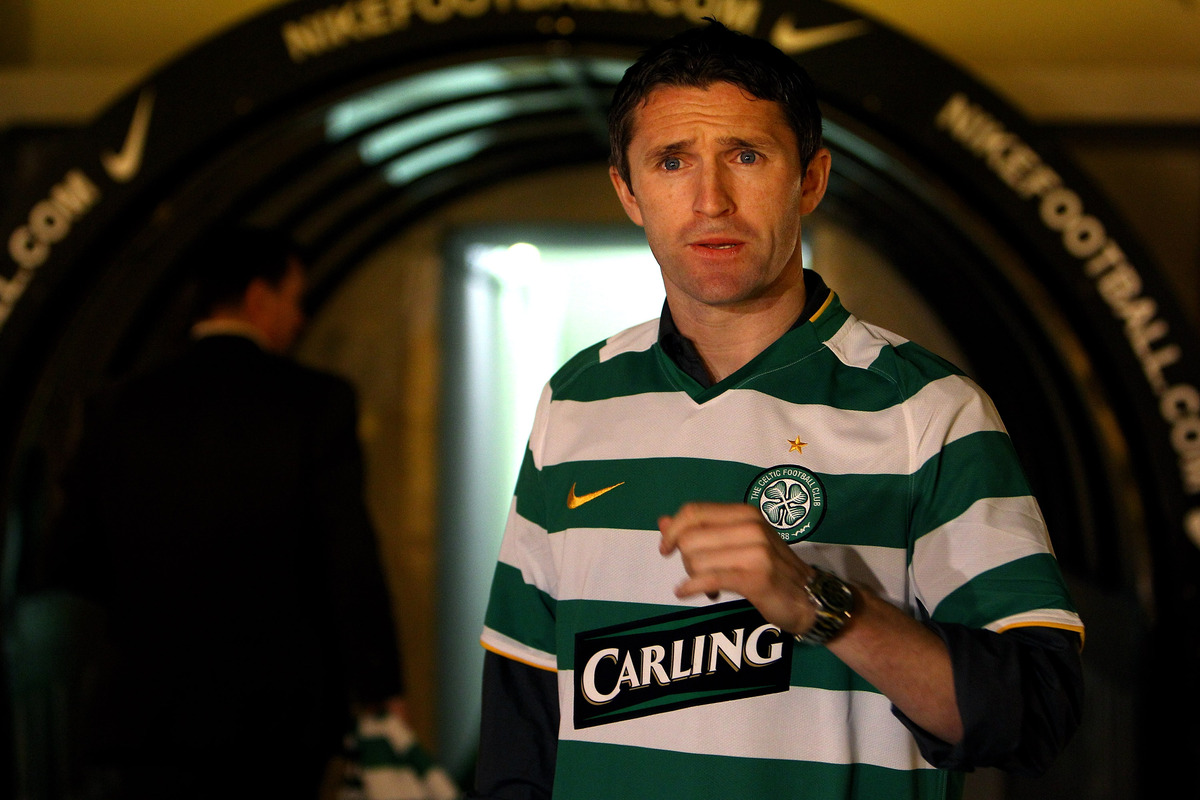
Honestly, the Keane appointment feels more like a board reaching for familiarity than real ambition in their thinking. His tactical setup at Ferencvaros, built around a 4-3-3 or 3-5-2 structure, emphasising possession and wide attacking play, does suit Celtic’s traditional identity on paper. Winning the Scottish Premiership is the baseline expectation at Celtic, not the benchmark, and where the club have bled credibility for years is in European knockout football, which remains the real test.
Keane has never managed where the financial competition between clubs runs as tight as in the SPL, and his European record at Ferencvaros, while impressive, came with a club built and funded to reach those stages, not one defying the odds to get there. The Wilfried Nancy disaster proved Celtic’s board can misjudge badly when sentiment does the heavy lifting instead of cold football judgment. Appointing Keane carries a softer version of that same risk. He is a popular figure, he knows the club, and the narrative writes itself. That, frankly, should concern supporters more than reassure them.
Realistically, Keane gets this job. The detail in The Guardian’s report strongly points to a decision that is already close to being made. Whether it actually leads to real progress depends almost entirely on the quality of the summer transfer window, which, by Celtic’s own admission, has been their true Achilles heel under recent regimes.