
The Camp Nou is a place that do not always look like a typical football stadium but like a grand opera house. The fans always demand a performance that matches the price of their ticket. English crowds often cheer for a gritty defensive stop or a frantic scramble to clear the ball. Barcelona fans are different; they sit in judgmental silence.
They whistle their disapproval even if the team are winning 1-0, if they feel that the team are not playing in the usual enjoyable way. This demanding nature is similar to how savvy players seek out the best payout casinos to maximise their returns.
Barcelona fans want a massive artistic return on their emotional investment. They watch the pitch as closely as someone picking a top-tier site from a top 10 casino list. They expect nothing less than perfection every time the players touch the ball. For Barcelona, the score is just a number. The way they play is their religion.
Johan Cruyff’s Shadow
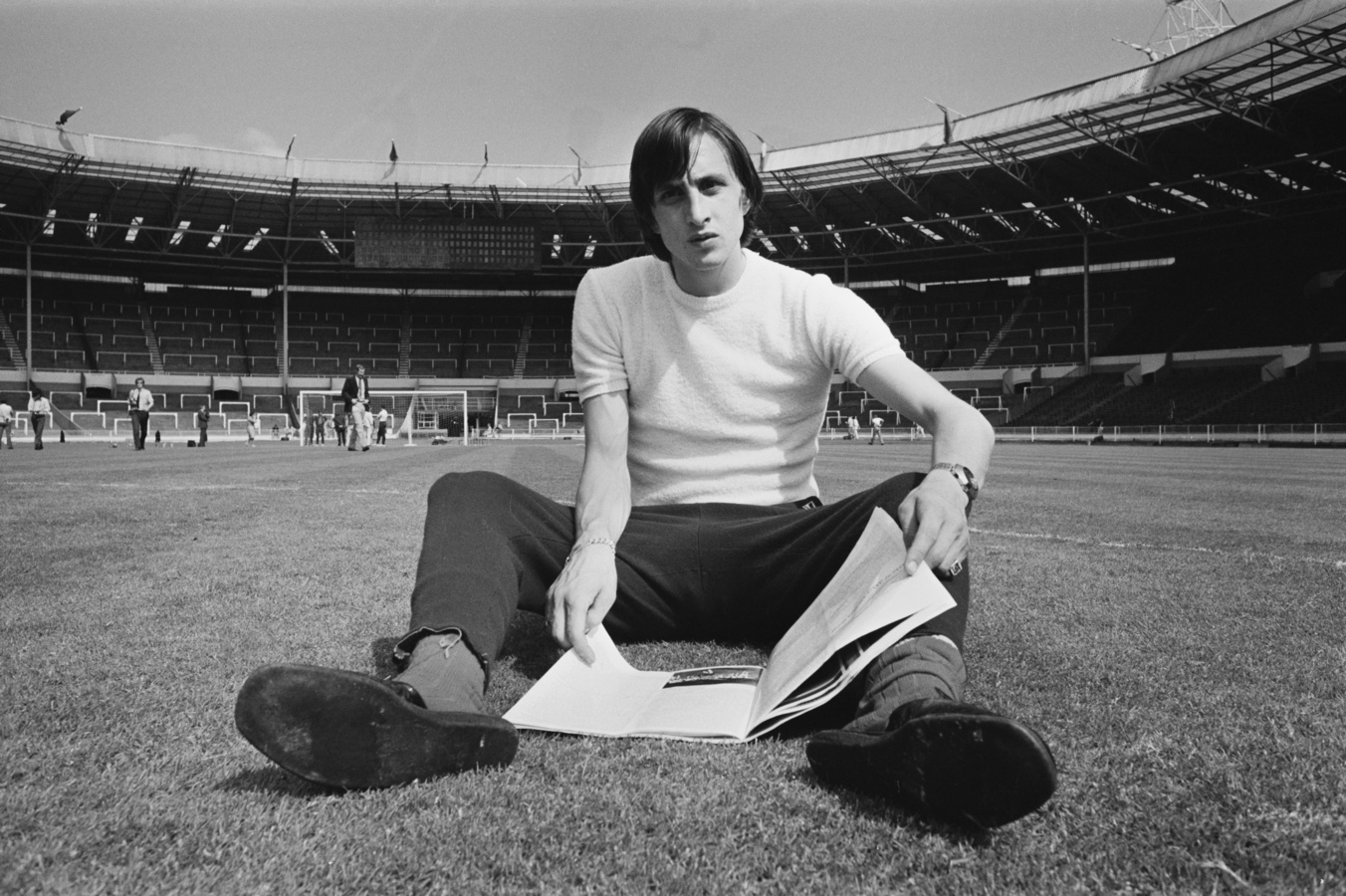
Johan Cruyff completely changed how the club think. His influence still touches every part of the training ground today. He didn’t just put trophies in the case. He hard-coded a specific philosophy into the club, and that’s Total Football, also known as Positional Play. That mindset is now part of the club’s DNA, and no one can just get rid of it.
The fans measure every new manager against Cruyff’s shadow. They don’t just look at wins and losses. A coach can win the Champions League and still face calls to quit if the team give up the ball too easily. They feel the same if he leans too hard on counterattacks. Cruyff set a permanent bar. The way you win matters much more than the win itself.
La Masia vs. The Market
La Masia isn’t just a normal football academy. It’s a place where players learn a specific way of seeing the world. It trains young footballers to view the game through one single, steady lens. This is the opposite of the “Galactico” model that Real Madrid like.
Those clubs usually just buy famous superstars to fix a quick problem. Barcelona find their real magic when the club develop talents like Messi, Xavi, Iniesta, and Lamine Yamal. These players share a deep connection to the club’s ideas that money just can’t buy.
The directors trust their own academy to keep the style alive. They believe a player who grew up in this system understands space and timing naturally. That homegrown player always fits better than an expensive hire.
Idealism vs. Modern Football
There is a real tension between keeping “Tiki-Taka” pure and surviving in today’s game. Modern football is now defined by incredibly fast, high-pressing teams. Critics often wonder if the famous “Barça DNA” is a gift or a weight that holds them back. It can make it hard for the club to change when the game evolves.
Opponents now use raw strength and speed to break Barcelona’s rhythm. They prove that being better on the ball isn’t always enough to win. The team are often stuck in a tough spot.
Refusing to change their ways often leads to heavy losses against faster, stronger teams. Because the club refuse to be anything else, managers often lose the ability to try new tactics. Their biggest strength can easily become their biggest weakness.
The Romantic Tragedy
Barcelona’s refusal to change their style is what makes them special in the world of football. This stays true even when being stubborn leads to disaster. They would rather lose while playing their beautiful passing game than win with boring, defensive tactics.
This romantic tragedy is why the club stay unique. They put art and integrity above the cold reality of the league table. The club are willing to fail if it means they never stop reaching for perfection.